At Lloyd’s: The Future of Underwriting
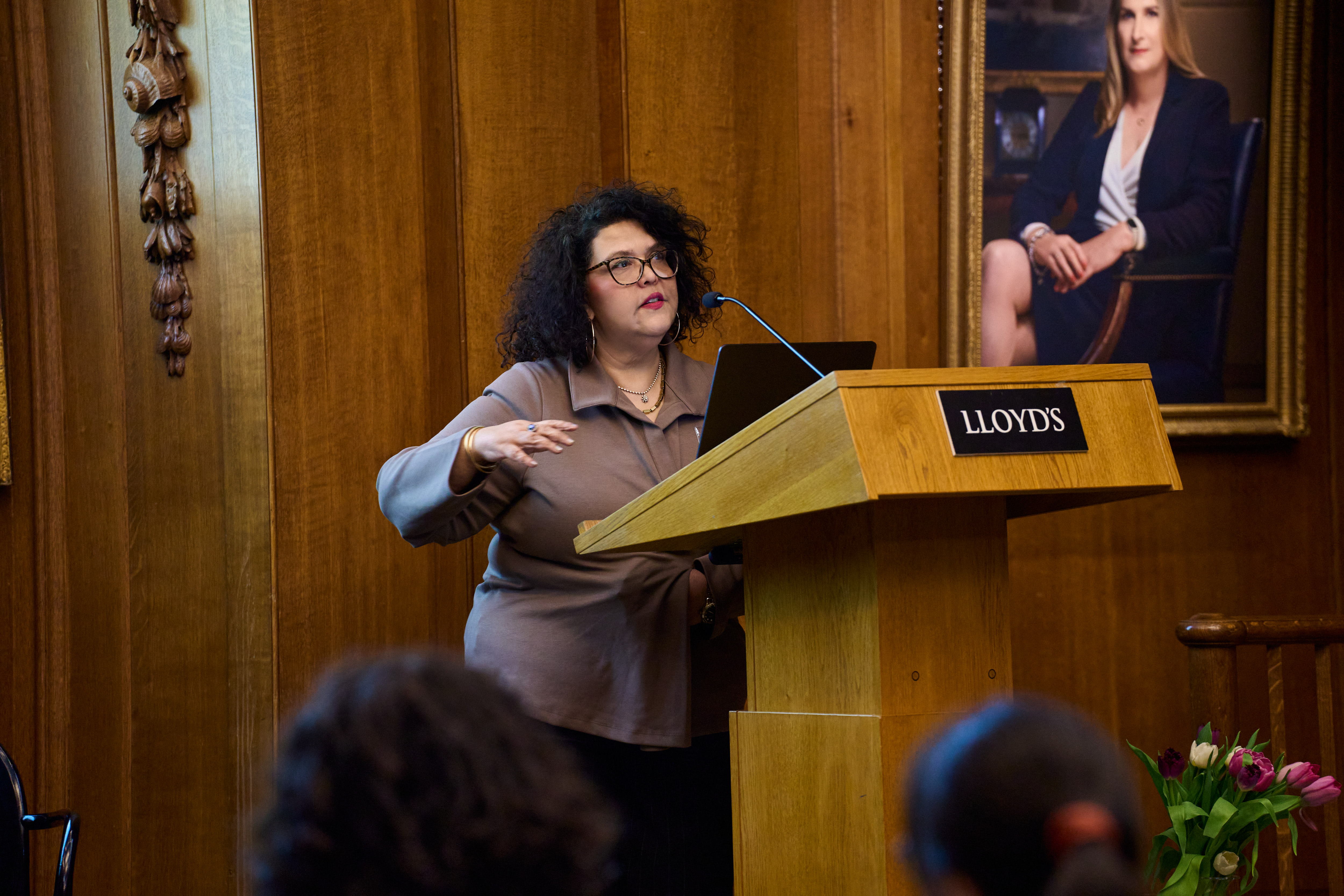
Yesterday, Sixfold hosted an event at Lloyd’s in London on the future of underwriting work.
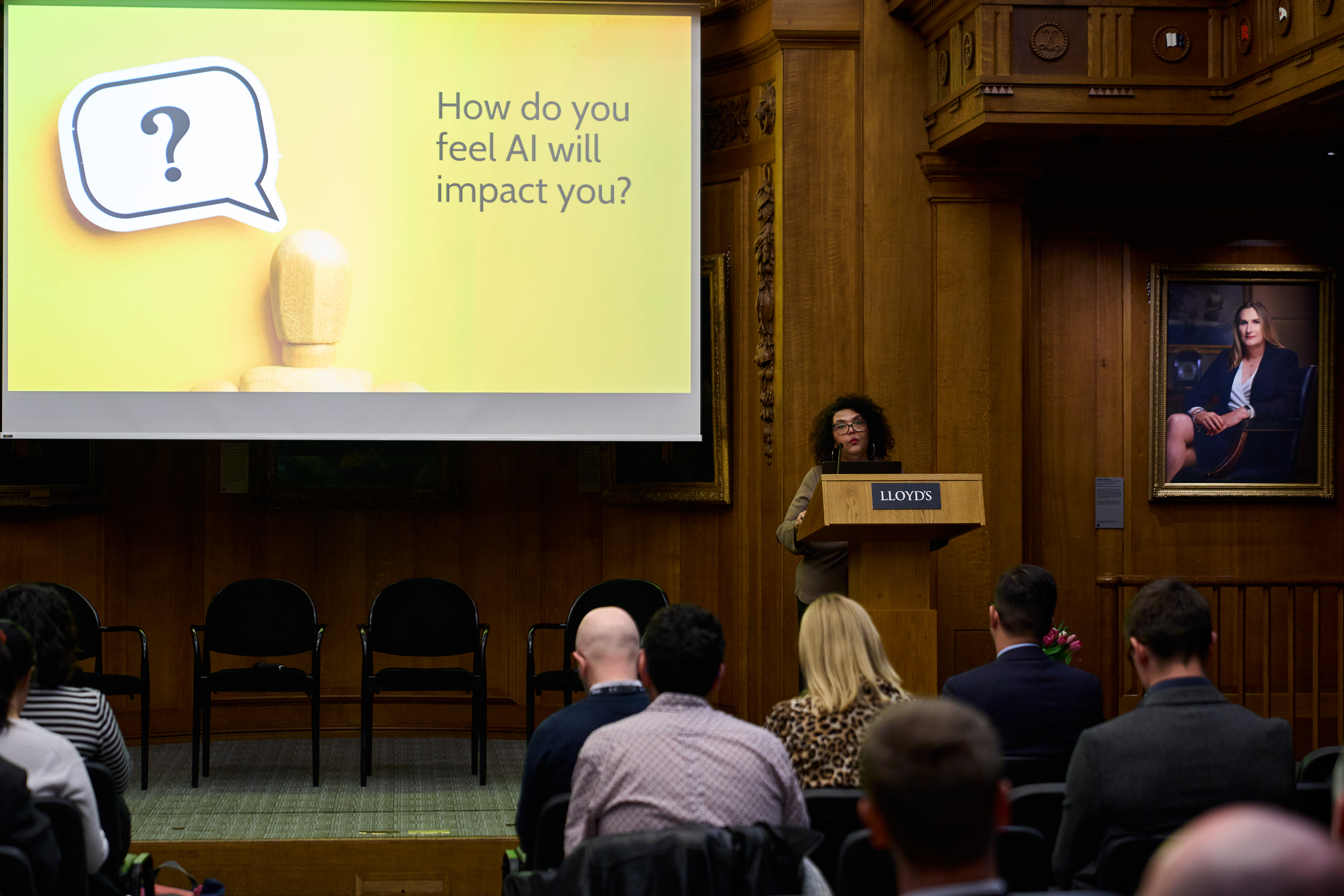
The event started with a keynote from Dr. Naeema Pasha on the future of work across industries, along with findings from her research with Allianz. One of the key takeaways was that the future of insurance still needs to be focused on people. With AI becoming more present, the question is how to build trust, support empathy and skills development, and design roles for the next generation of talent.
“What stood out in my research with Allianz was how much people in the insurance industry care and are passionate about the industry and its future.“
─ Dr. Naeema Pasha, Researcher, Author and Writer
There was also a great question from an aspiring underwriter asking what skills are needed today. Soft skills came up a lot, things like curiosity and adaptability, but also something simple: get out there, engage with people in the industry, and ask questions.
At one point, the audience was asked if they would let a robot cut their hair. Most people wouldn’t. It’s a simple example, but it comes back to trust.
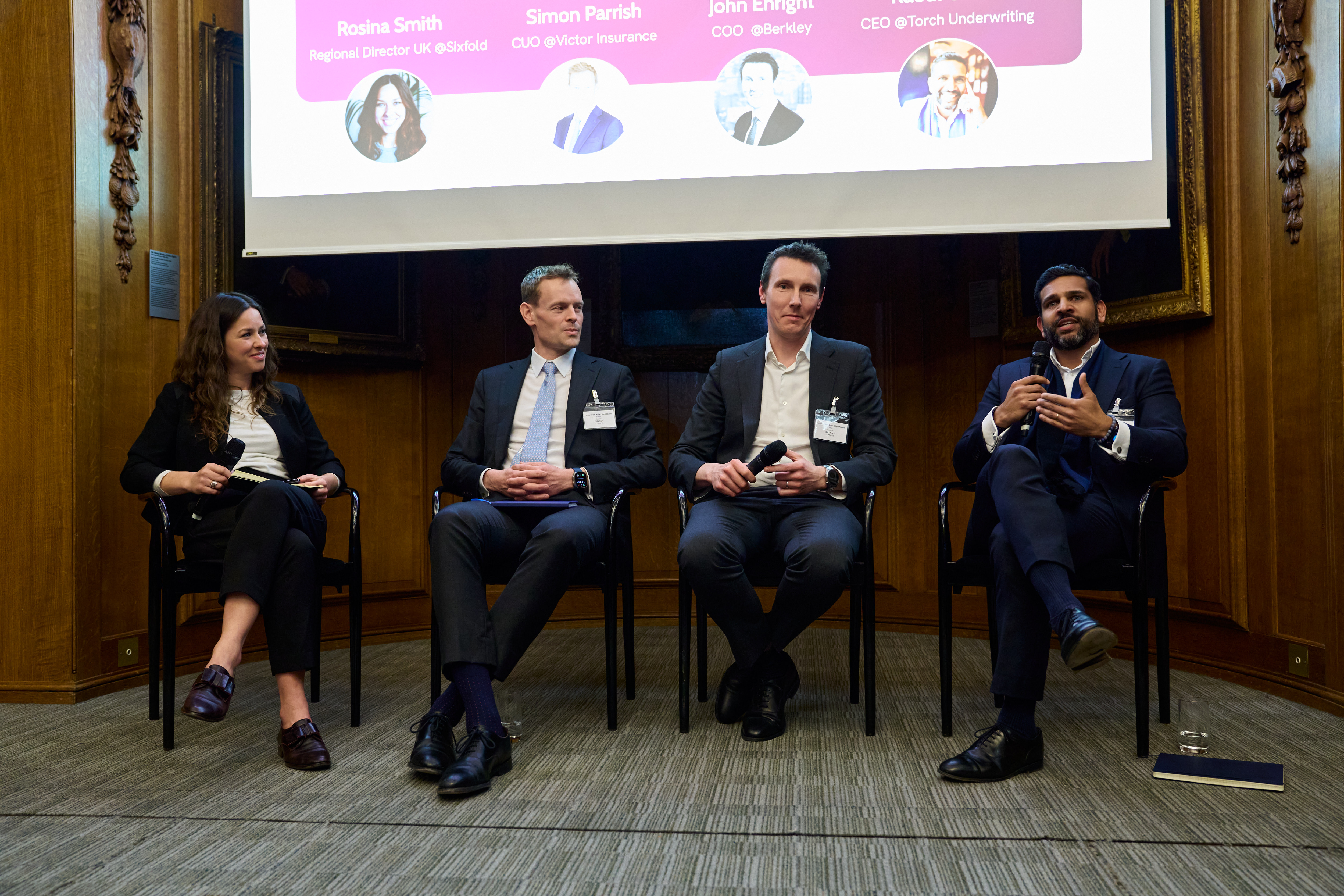
The panel discussion featured Simon Parris, CUO at Victor Insurance; John Enright, COO at Berkley; and Raoul Carlos, Founder & CEO at Torch Underwriting, and focused on whether this is the last generation of traditional underwriters.
They started by sharing where they are today when it comes to AI implementation. A clear theme was that adoption and engagement from underwriters really matters. Agentic AI is moving fast with a lot of potential, and there was a lot of discussion around how AI can improve broker relationships and risk assessments as a whole. Raoul talked about building AI into their foundation from day one, including the data layer needed to support institutional intelligence over time.
When it came to impact of AI, the conversation went beyond speed. Things like memorable engagement with brokers, pricing power through stronger relationships, more personal service, net promoter score, and the ability to think outside the box all came up. Better service and better products as well.
On hiring the future workforce, Raoul mentioned looking for curiosity and passion. Where the role used to be heavily focused on data wrangling, today it is much more about judgment, adaptability, creativity, and critical thinking. John highlighted integrity, trust, relationship skills, and the ability to work with a new toolkit. Simon mentioned market connections, strong underwriting fundamentals, and openness to new technology.
“The mechanics of how we work are changing, but this has happened hundreds of times throughout history.”
─ Raoul Carlos, Founder & CEO @Torch Underwriting
When asked what the underwriting role of the future might be called, the panel largely agreed it is still underwriting. Portfolio underwriting was mentioned, as well as next generation underwriter, but the core remains the same. From the audience, there were also questions around how to enter the industry. It is not just about academics. Apprenticeships matter. Continuous learning matters. And building teams with different perspectives and backgrounds still really matters.
On dealing with skepticism internally around AI, it was acknowledged that change can be uncomfortable. The advice was to make it part of the conversation, share examples, and host workshops. For insurance executives looking to learn more about AI, the message was to experiment and try it firsthand. Get into vibe coding, step outside of the comfort zone, and understand the opportunities by actually using the tools.
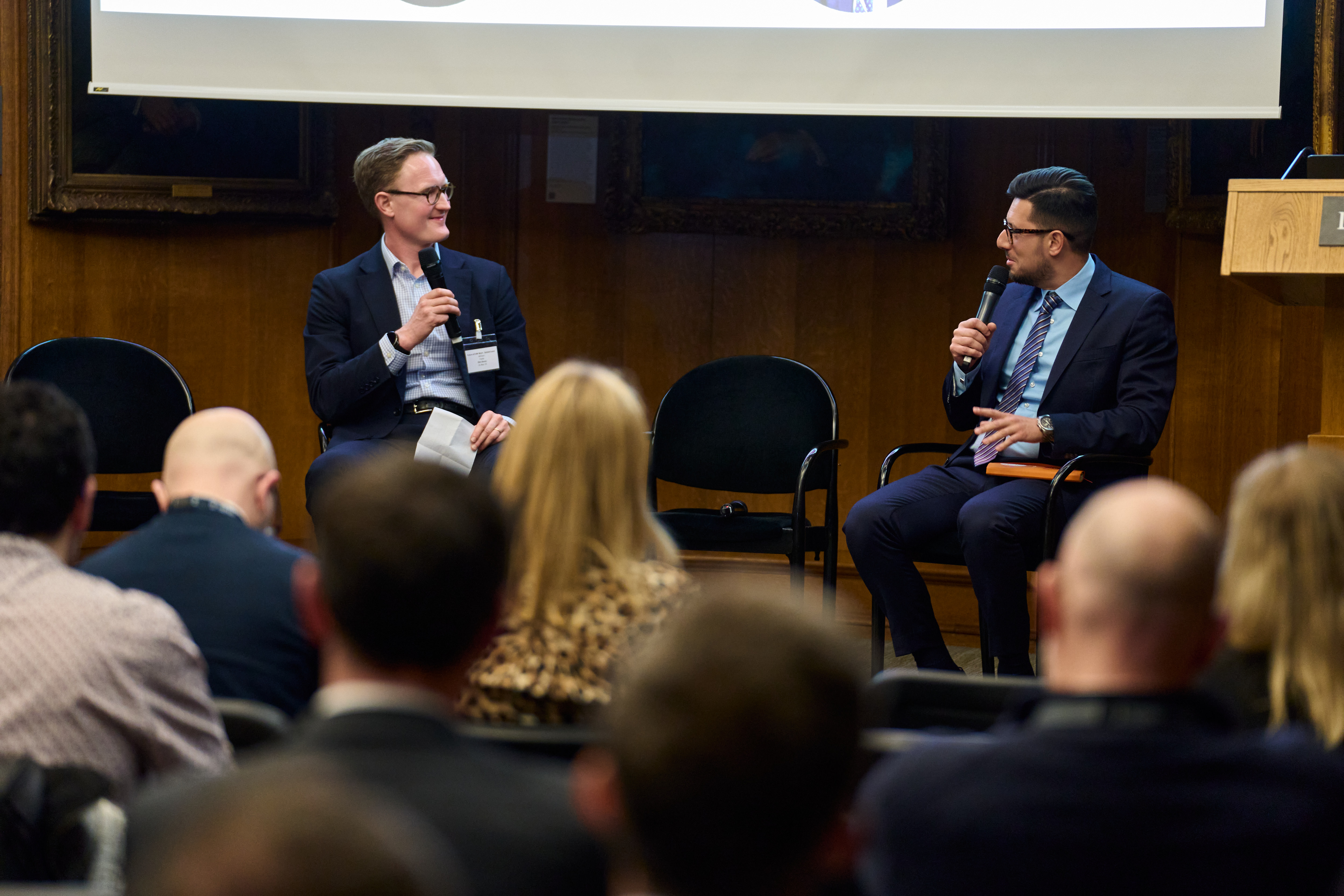
Lastly, Gianfilippo Giannini, Global Technical Coordinator Cyber Risk at Generali GC&C, took the stage for a Q&A and shared why they started looking for an AI vendor in the first place. They were operating in a soft market and needed to handle more submissions with the same headcount.
He also highlighted the importance of bringing underwriters in from the very beginning. The decision to choose Sixfold came down to security, privacy, a strong responsible AI framework, and a future proof roadmap, but also that the solution was clearly built for underwriting.
“Sixfold spoke the same language as us.”
─ Gianfilippo Giannini, Global Technical Coordinator Cyber Risk @Generali GC&C
There was some early skepticism from users, but once underwriters saw how it supported their day to day work, feedback quickly became very positive. At one point, underwriters who were not part of the pilot started asking when they could start using Sixfold as well.
Looking ahead, the focus for Generali GC&C when it comes to AI in underwriting is on data driven underwriting, with better visibility into portfolio trends and broker success rates.